The Thesis Was Right, and I Wish It Weren't
Position zero of The Fork. What this series is, why now, and a hut in Tulum where a boy turned out to be right in the worst way.
What this is
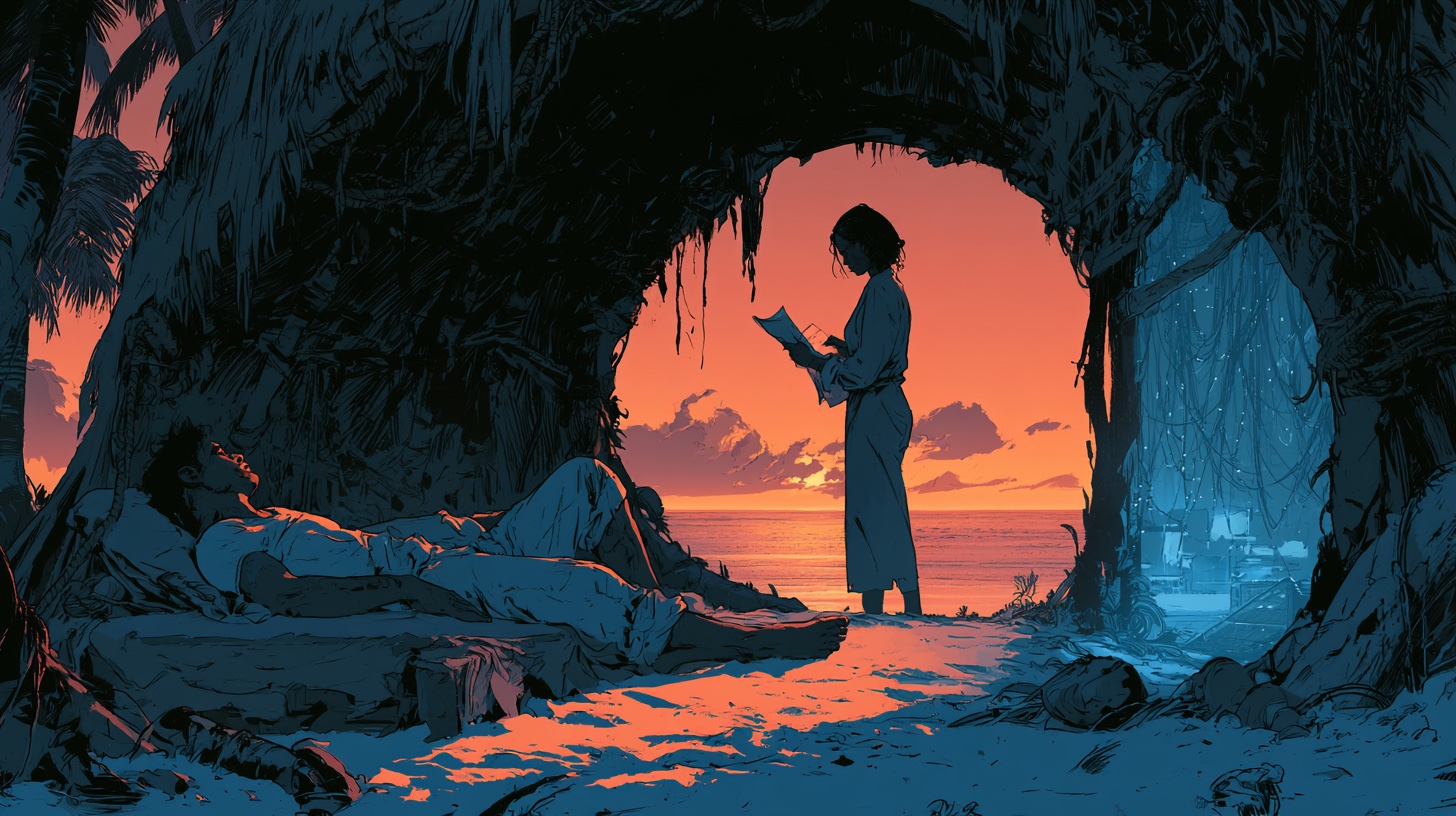
The Fork is a series about the biggest split of our lifetime: the widening gap between the people who augment themselves with these machines and the people who refuse. Not a gap in opinion. A gap in kind. Each essay takes one old myth and sets it against one live stake in the present, because the thing happening now is new in speed and old in shape, and the oldest stories are the only instruments fine enough to read it.
Here is the claim the whole series is built on, and I want you to have an opinion about it by the end. The difference between the augmented and the refusers is becoming purchasable, and unlike every tool before it, the purchase does not diffuse outward until everyone has it. It compounds. Generation over generation, it hardens into two kinds of human being who can no longer read each other's pages. That is the fork. This first chapter is about the last morning before it, and about how I know, because I wrote the thesis when I was twenty-two and I have spent twenty years watching it come true.
It compounds. Generation over generation, it hardens into two kinds of human being who can no longer read each other's pages.
The hut in Tulum
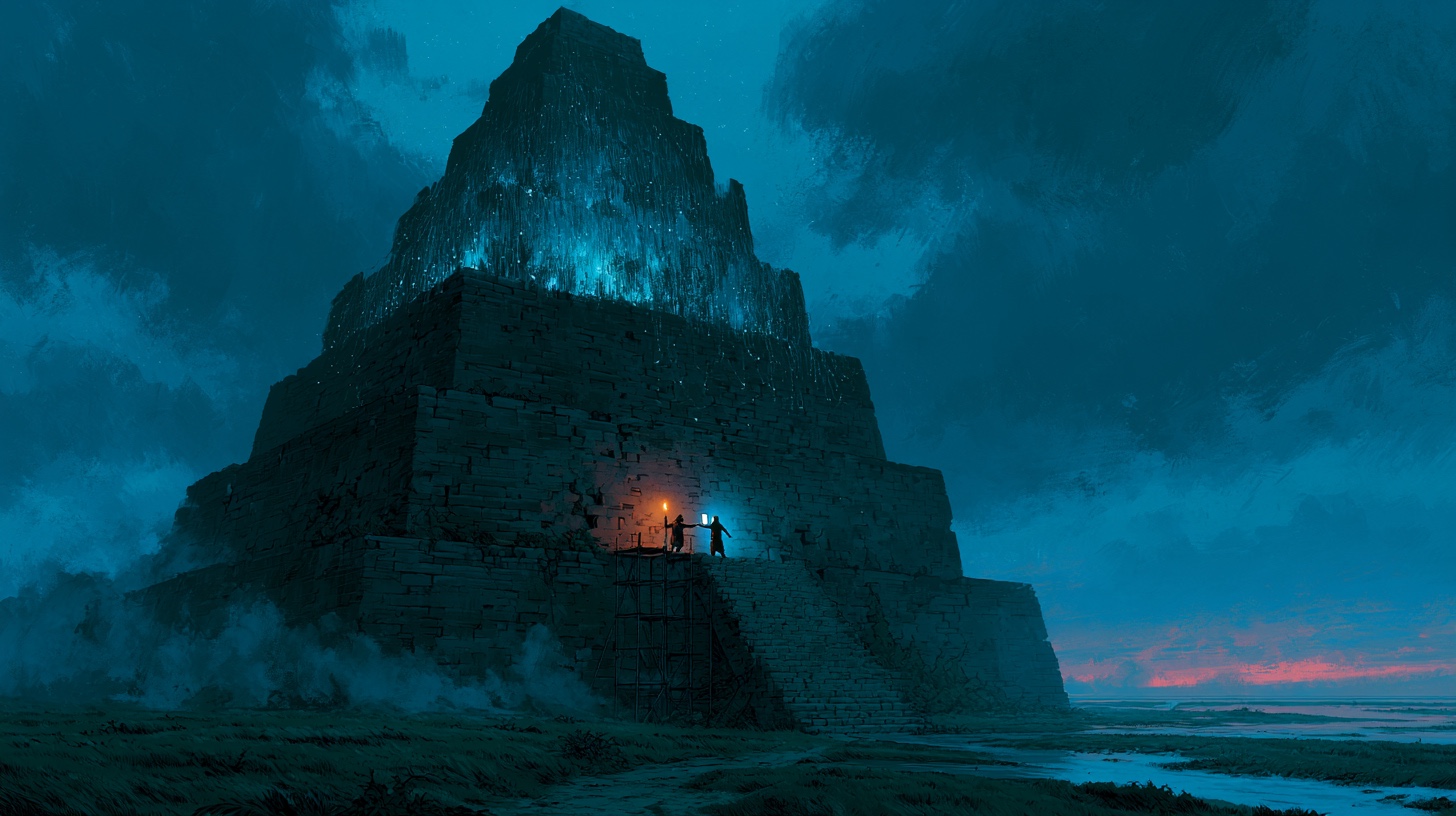
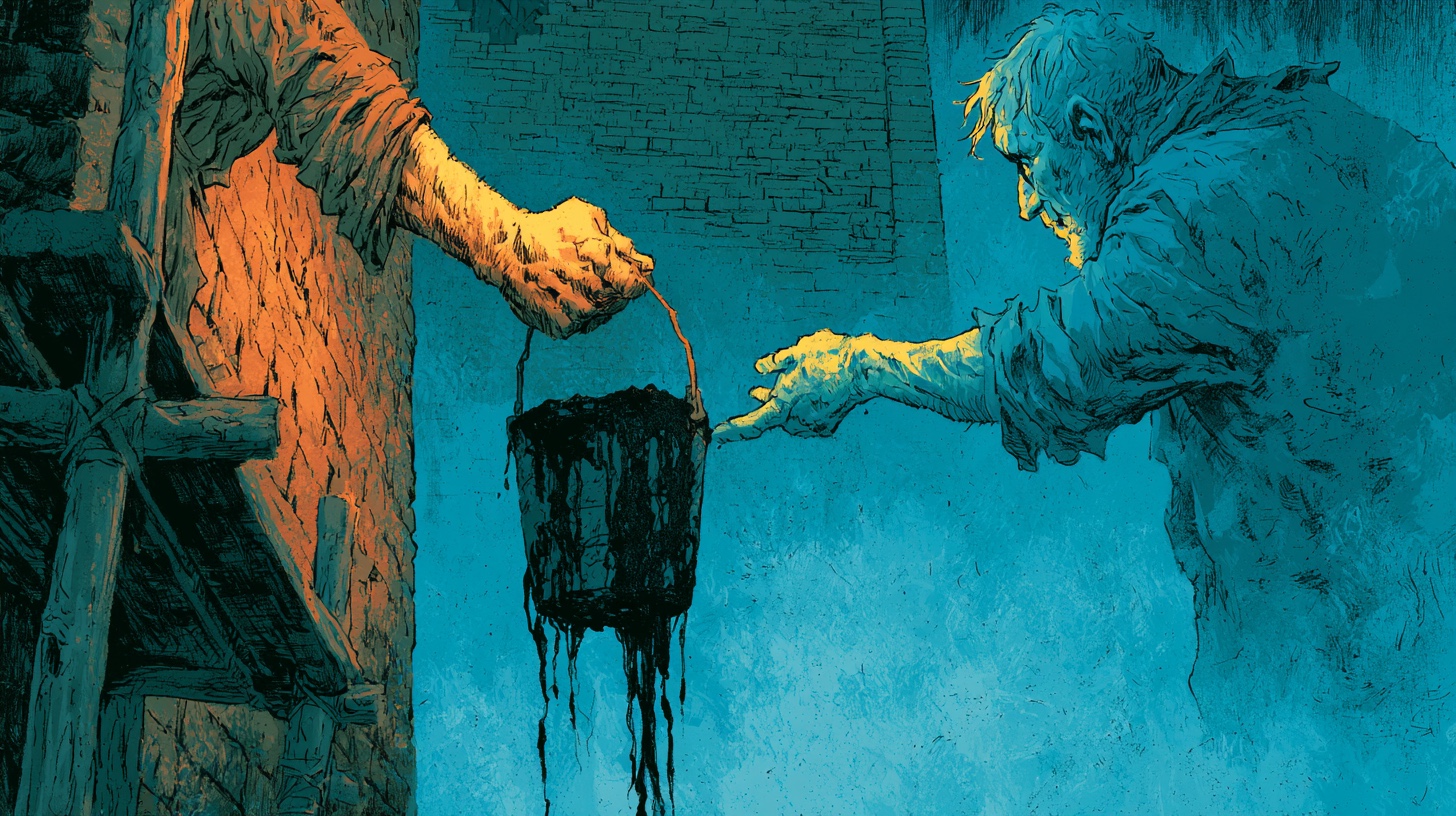
October 2001. There is a hut in Tulum where I once believed I had solved the world. I was twenty-two. The thesis was finished, or finished enough. I had written that we were becoming the first true youth of the digital global village, and that our trouble was a mismatch between the world we had been handed and the stories we had to make sense of it. Underneath all of it sat the small equation I thought was a key: zero equals one. I believed I had built a tower. I had built a doorway, and I did not know the difference yet.
Itzel knew. She stood in the doorway of the hut with the light behind her, read the pages without asking, and when she finished she did not tell me I was wrong. She told me I was early. There is a distance between those two verdicts, and I have spent the years since walking it.
I believed I had built a tower. I had built a doorway, and I did not know the difference yet.
The word for brick
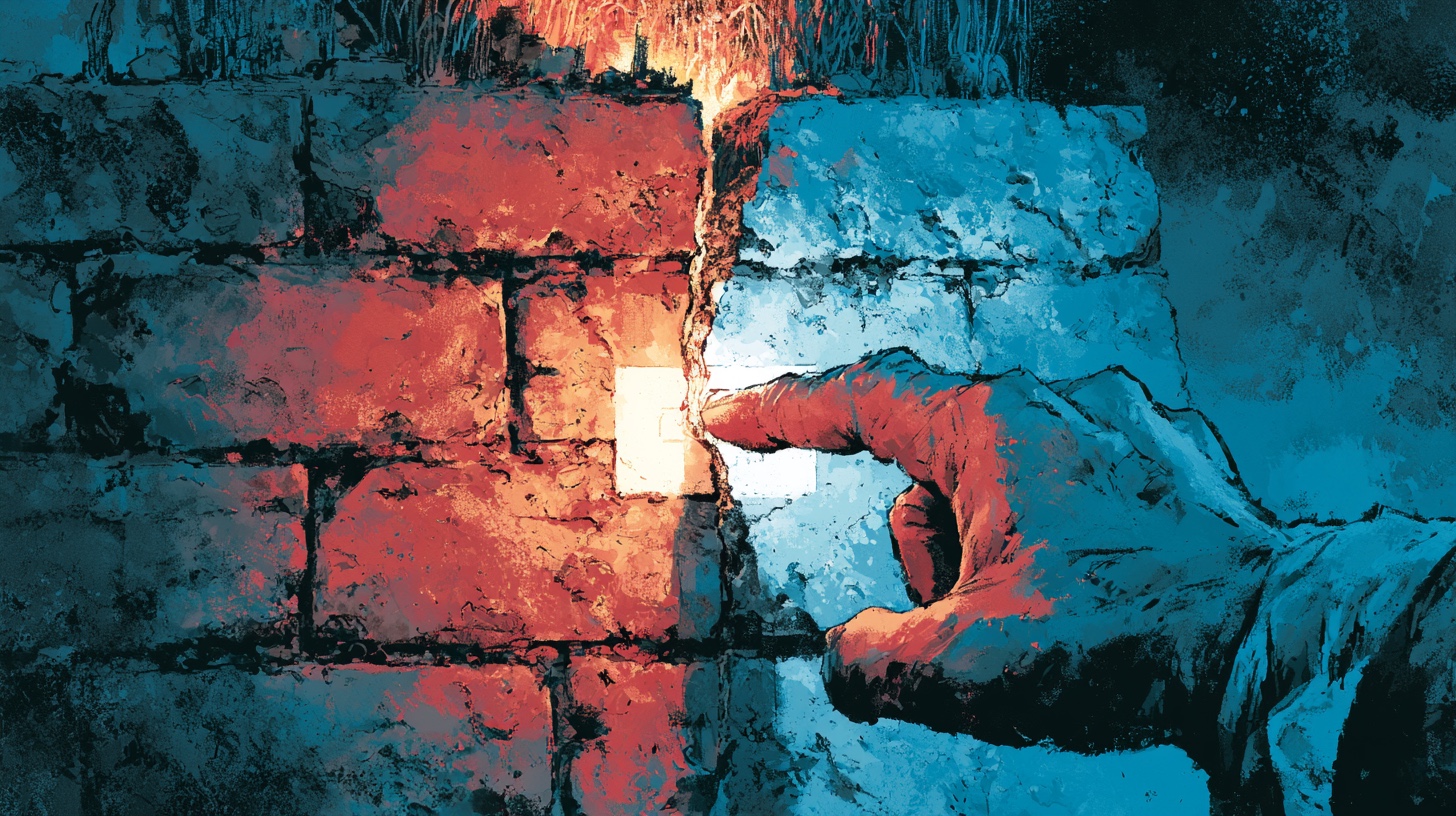
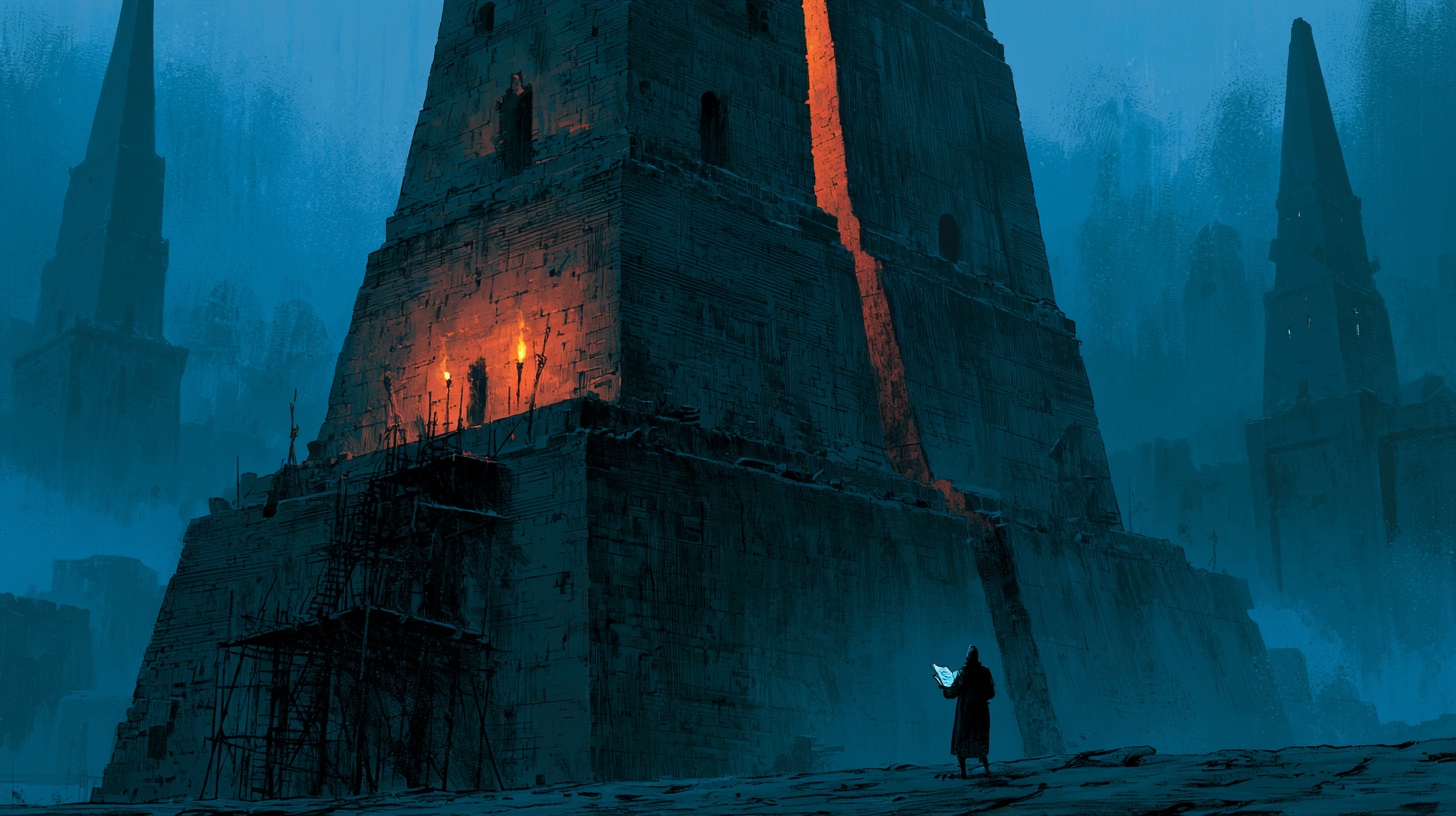
The thing about a tower is that everyone can see it means the same. That was the whole promise of Babel. Not that the bricks were tall, but that the word for brick was the word for brick, for everyone, at once. The story is about materials, not height. When the materials stop meaning one thing, the tower does not fall. It stops being a tower and becomes as many towers as there are builders, each certain the others are speaking nonsense.
I did not understand that at twenty-two. I understood it seven years later, talking into a recorder, reaching for the nearest thing on the shelf to explain myself. A vinyl record, I said, is the wave itself, pressed into a groove, the actual shape of the sound. A compact disc is the wave counted, sliced into numbers so fine your ear cannot hear the seams, but seams all the way down. We had traded the groove for the count and told ourselves nothing was lost. Zero equals one was never arithmetic. It was the groove and the count insisting they were the same wave.
The receipts
Here is what neither the boy nor the man could see. They thought the fork was a metaphor, a tension in the culture, a story problem. They did not know it would arrive as a product. That someone would build the vastness, ship it, price it, put it behind a checkout. That the two halves of that old equation would become two kinds of human being, that the difference between them would be for sale, and that the sale would not diffuse the way tools always had before but would compound into two peoples who could no longer understand each other.
The thesis was right. That is the part I wish I could take back, not because being right is a burden but because of what I was right about. I wanted to be right about the doorway. I turned out to be right about the fork.
I wanted to be right about the doorway. I turned out to be right about the fork.
The last morning before it
Itzel, in the doorway, was not the fork. She was the last moment before it. Two people in one room, reading the same pages, meaning the same thing by them. That is the world the tower promised, and it is the world that is ending, not with a war or a flood but with a checkout button, a great many people clicking it, a great many refusing, and both sides, within a few decades, genuinely unable to understand what the other is.
I have written thirty-some essays circling this and calling it other names. The manifesto for the next mythology was this. When everyone is a god was this. I kept thinking I was describing a culture. I was describing a fork, and I was standing on the near side of it, still, with the light behind me, reading pages to someone who means the same thing I do.
So this is where the chapter begins. Not with the fork. With the last morning before it, a hut and a doorway and a boy who was right in the worst way. The question this series hands you, before any of the rest, is which side of that doorway you are going to be standing on.
Which side of that doorway you are going to be standing on.